
Euro Gains Against Pound After German Election: What’s Next for the Markets?
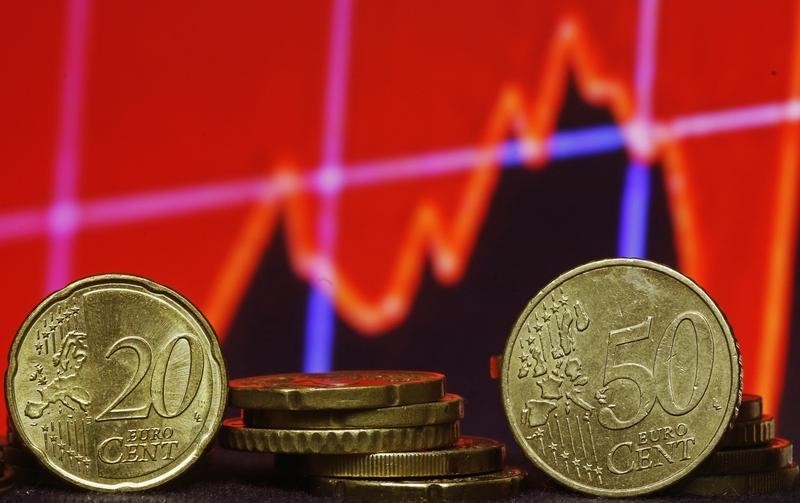
The euro strengthened against the British pound on Monday following the victory of Germany’s conservative party in the national election. The results have sparked market optimism, but also raised questions about the country’s economic direction and coalition negotiations.
Euro Surges After Election Results
Germany’s conservatives, led by Friedrich Merz, emerged victorious in the recent election, positioning Merz as the likely next Chancellor. However, his path forward is not straightforward, as he will need to form a coalition government—a process that could be lengthy and politically complex.
Following the announcement, the euro surged to 82.91 pence against the pound, its highest level in over two weeks. While the market initially reacted positively, uncertainty surrounding coalition talks could create volatility in the euro’s performance in the coming weeks.
Political Challenges Ahead for Germany
Despite the conservative win, a major factor influencing Germany’s economic outlook is the rise of the far-right Alternative for Germany (AfD) party, which gained significant traction in this election. Their increased influence could complicate coalition-building efforts and impact Germany’s stance on key EU policies, trade, and economic reforms.
Carsten Brzeski, ING’s Global Head of Macro, cautioned that while the initial market reaction was positive, the complexity of coalition negotiations might dampen optimism. Investors will closely watch how the political landscape unfolds in the coming weeks.
How Will This Impact the Pound and Euro?
The euro’s gains against the pound come at a time when the British currency faces economic uncertainty and diverging interest rate expectations.
- Bank of England (BoE) Rate Cuts Expected
The market anticipates that the BoE will lower interest rates by 54 basis points this year. However, high inflation in the UK may slow the pace of these cuts, creating uncertainty for the pound. - European Central Bank (ECB) Policy
The market anticipates that the BoE will lower interest rates by 54 basis points this year. However, high inflation in the UK may slow the pace of these cuts, creating uncertainty for the pound. - European Central Bank (ECB) Policy
The ECB is expected to reduce rates by around 80 basis points, but the exact timing remains uncertain, adding another layer of complexity to euro movements.
Meanwhile, the pound remained relatively stable against the U.S. dollar, trading at $1.2633 after reaching a two-month high earlier in the session.
Investor Focus: What’s Next?
This week, market participants will be closely monitoring statements from Bank of England officials, including Swati Dhingra, Dave Ramsden, and Chief Economist Huw Pill. With no major UK economic data releases scheduled, the pound’s movement will be driven by central bank rhetoric and global economic sentiment.
Key Takeaways for Traders and Investors
- Euro Strengthens Against Pound: Driven by German election results and market expectations.
- Political Uncertainty in Germany: Coalition talks could impact economic policies and future euro performance.
- Interest Rate Divergence: BoE and ECB rate cut expectations will influence currency movements.
- Investor Attention on Central Banks: Speeches from BoE and ECB officials will shape market sentiment this week.
As Germany navigates its political transition and central banks make critical policy decisions, currency markets will remain volatile, providing both opportunities and risks for traders.

Ayzalme
Just a calm man, enthusiast for investing and technology.
You might also like:
- Dollar Weakens Amid Economic Uncertainty: Global Currency Movements and Market Reactions
- Iron Ore Prices Drop After Four-Day Rally Amid Rising Tariffs on Chinese Steel
- Bulgaria's Anti-Euro Protests: Nationalism, Economic Concerns, and Political Tensions
- Bank of Japan Holds Firm as Bond Yields Rise: What It Means for Markets